Pros and Cons of Common Water Heater Fuel Sources
When a new water heater is needed, one of the most important decisions is whether it should run on gas or electricity. Each fuel source has trade-offs that affect operating cost, safety, speed of recovery, and how well the system fits the home’s existing infrastructure. Understanding these differences helps households plan for water heater replacement or installation that supports daily routines without unexpected surprises. This guide reviews the advantages and drawbacks of a gas water heater, the benefits and limitations of an electric water heater, and key points to think through before committing to either option.
Gas Water Heater
 A gas water heater burns natural gas or propane to heat water in the tank. One of the main advantages is the operating cost. In many areas, gas fuel is less expensive per unit of heat than electricity, so a gas model can often deliver hot water at a lower ongoing cost. Another benefit is recovery speed. Gas burners typically heat water more quickly, which can be especially helpful in homes with multiple bathrooms or high hot-water demand.
However, gas units come with additional safety considerations. Because combustion is involved, proper venting is essential to carry exhaust safely outdoors. Poorly installed or damaged venting can lead to dangerous conditions. Gas water heaters also require reliable gas supply lines and fittings, which must be installed and maintained correctly to reduce the risk of a gas leak. Regular inspection by qualified professionals is important to confirm safe operation over time.
Electric Water Heater
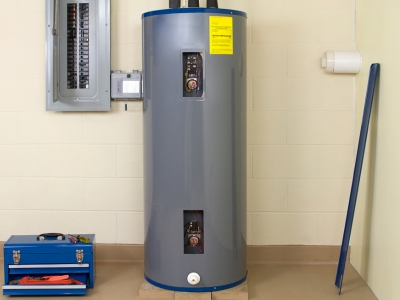 An electric water heater uses heating elements powered by electricity to warm the water in the tank. One of the biggest advantages is simplicity. Electric models generally have lower upfront installation costs because they do not require gas piping or venting, which can make initial water heater installation more straightforward in homes already wired for sufficient electrical load. Electric units also avoid combustion gases, so there is no risk of flue-related issues.
From a safety standpoint, electric water heaters eliminate concerns about gas leaks or combustion problems, which is reassuring for households sensitive to those risks. The trade-off is that electricity often costs more per unit of heat than gas, so long-term operating expenses may be higher. In addition, an electric water heater stops working during a power outage, while a properly installed gas water heater with a standing pilot or non-electric ignition style may continue to operate, depending on the specific model.
Factors to Consider Before Installation
Choosing between gas and electric involves more than just comparing price tags. Several practical questions can guide the decision:
- Utility reliability: In areas where power outage events are frequent or lengthy, a gas water heater that can continue heating without electricity may offer greater resilience.
- Existing infrastructure: If gas lines and venting are already in place, staying with a gas water heater can simplify water heater replacement. If no gas service exists, adding it may require significant upfront investment.
- Safety priorities: Households particularly concerned about any chance of a gas leak or combustion-related issue may lean toward an electric water heater, which avoids those specific hazards.
- Long-term plans: Anticipated changes in family size, appliance use, or utility availability can all influence which fuel type will be more practical over the life of the equipment.
Discussing these factors with a knowledgeable installer can help match the water heater type to the home’s layout, local utility conditions, and the household’s comfort with gas versus electric systems.
About Hancock & Son Plumbing, Heating and Air Conditioning
Hancock & Son Plumbing, Heating and Air Conditioning is the trusted plumbing contractor preferred throughout Salisbury and the surrounding areas. Offering a range of personalized service options and licensed and insured technicians, customers are bound to be satisfied. Call them today for water heater repair and installation in Salisbury, MD.